
The Four Core Investor Risks – Part 2 of 7
Market Risk — Black Swans and Extended Bear Markets

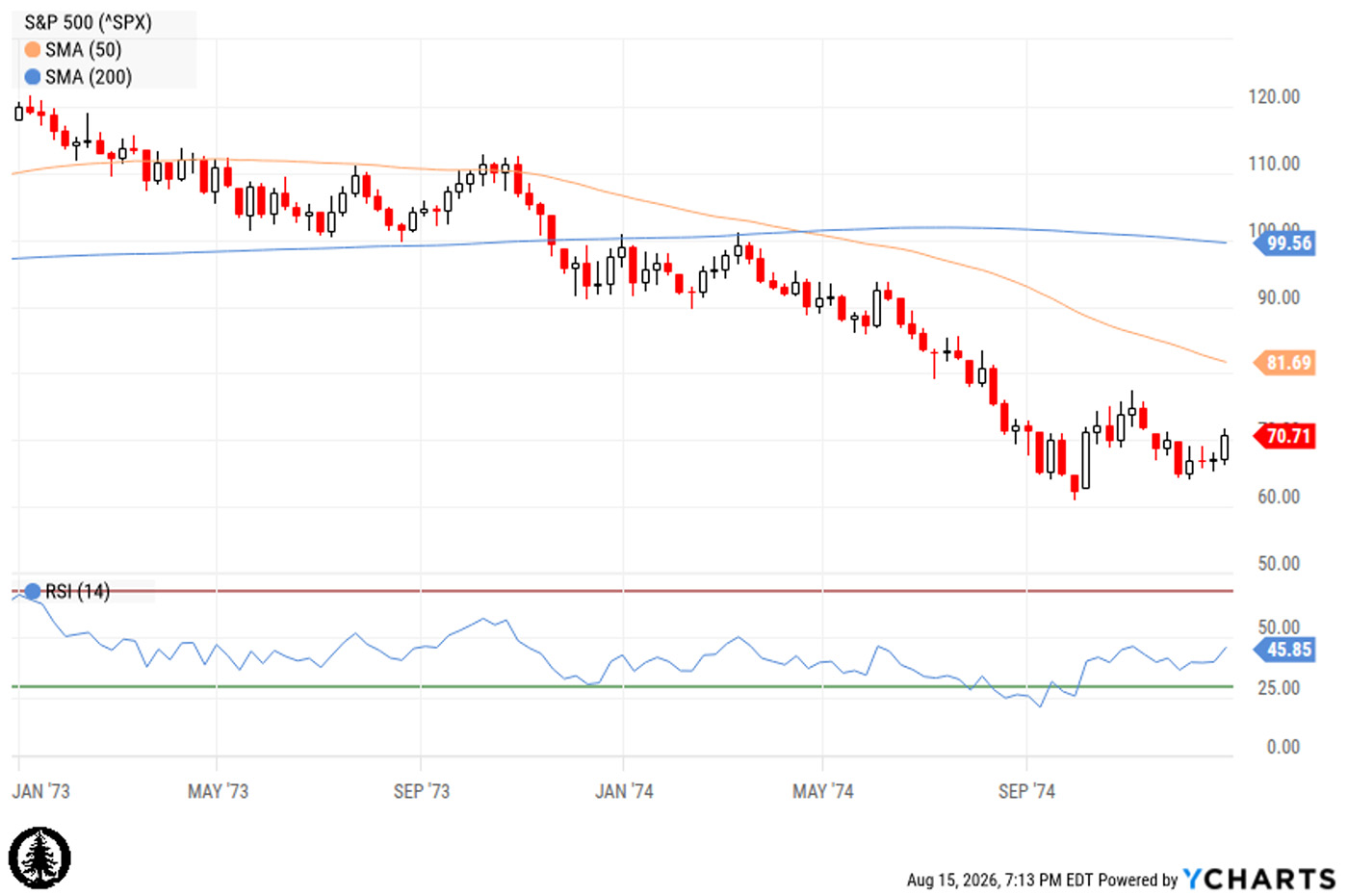
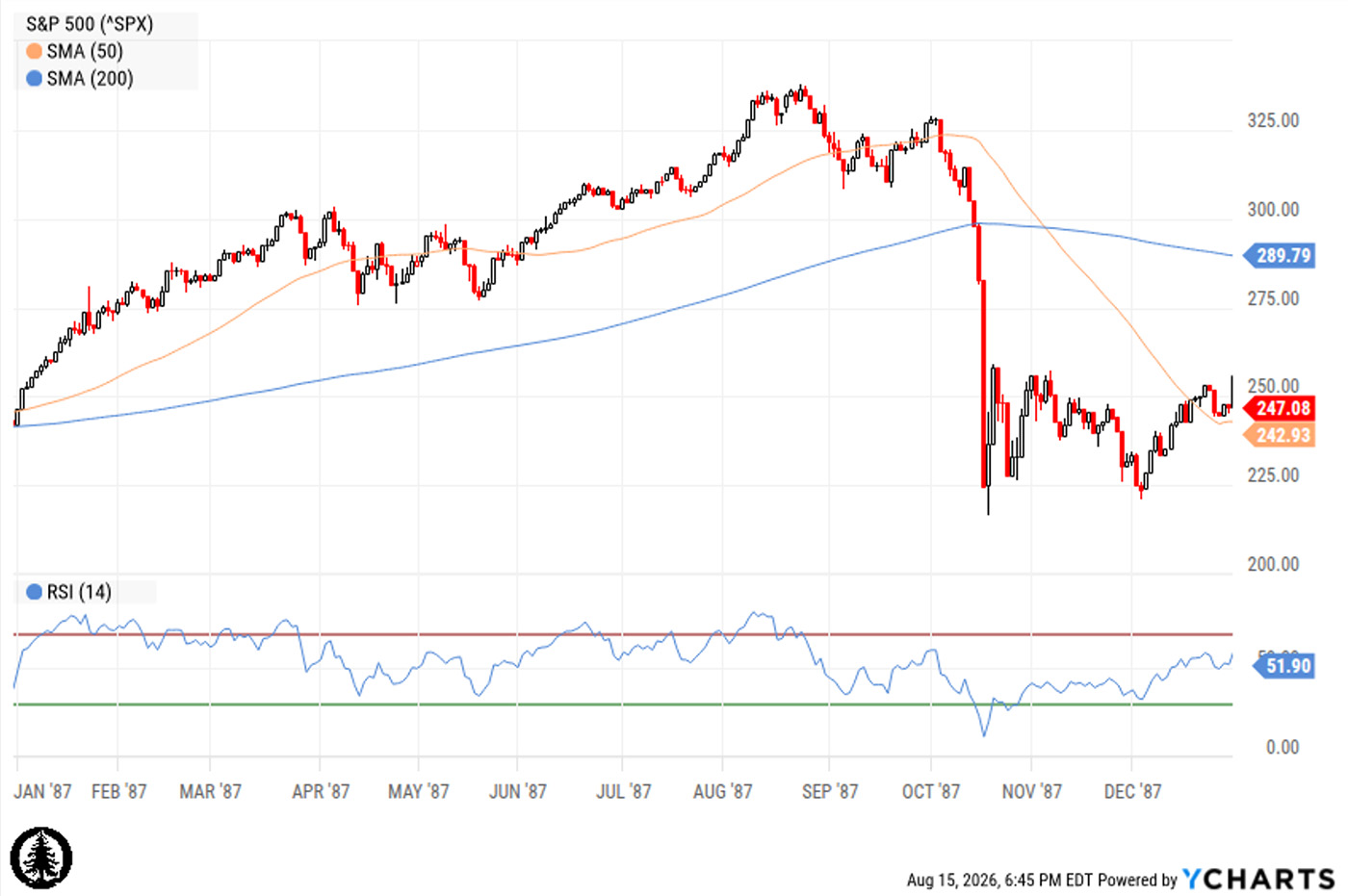
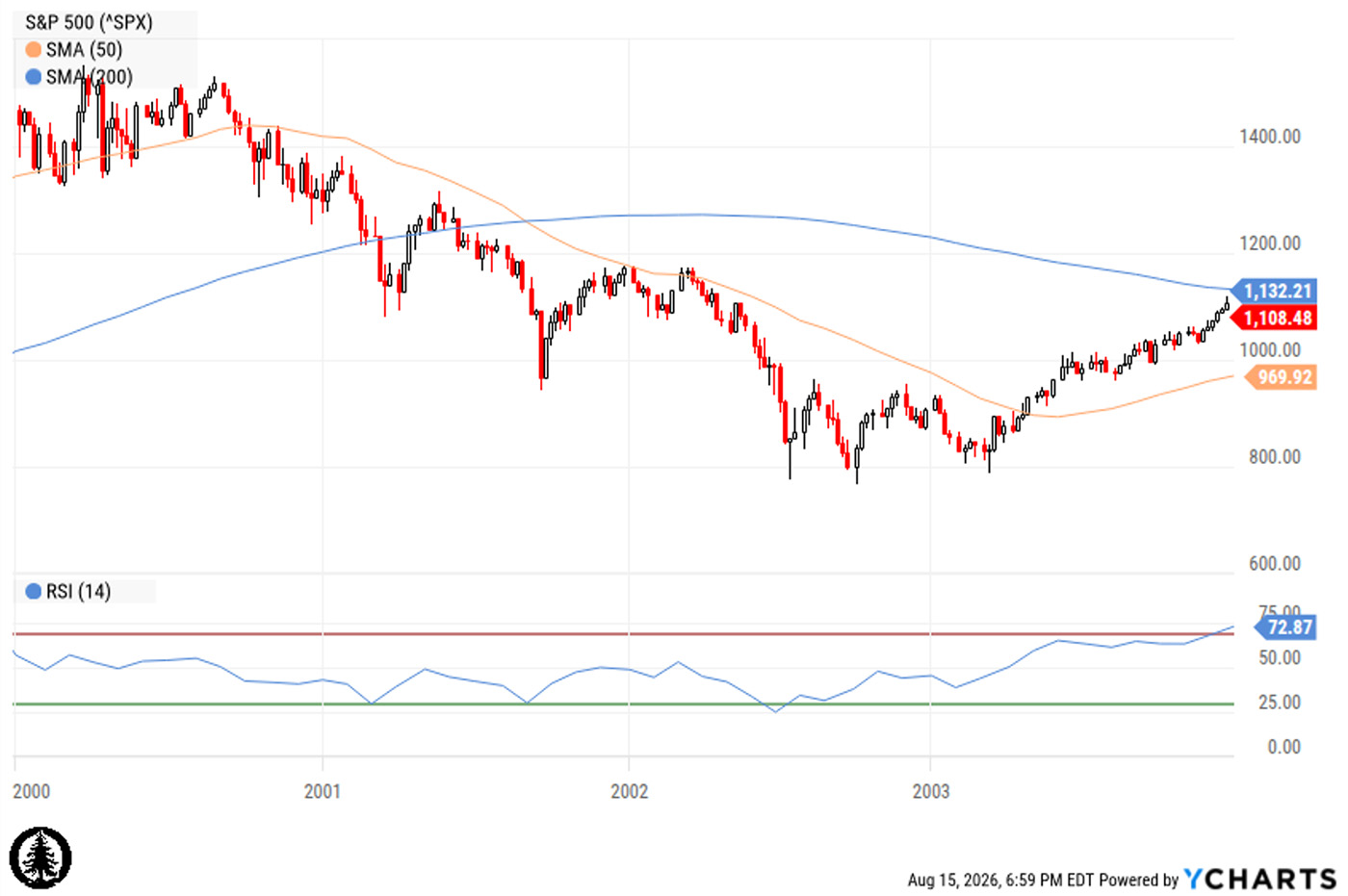
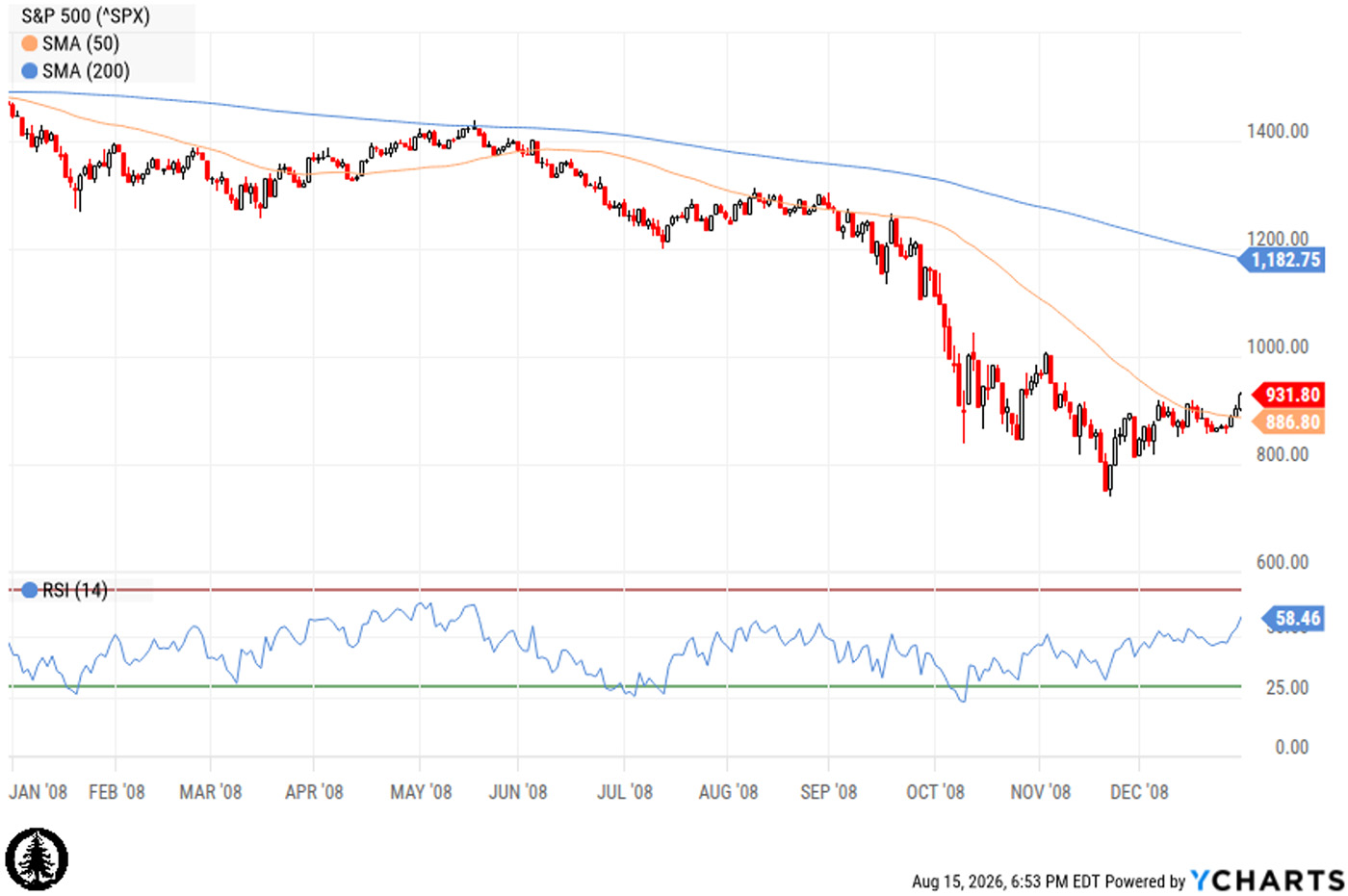
Market Risk in its most dangerous form is the black swan: a sudden, extreme event that few saw coming and that can erase large portions of portfolio value in days or weeks. Think 1987’s Black Monday, the 2008 global financial crisis, March 2020’s COVID crash, or the next geopolitical or systemic shock that has not yet appeared in any textbook. There is also the threat of extended bear markets such as 1973–1974 (after the “Nifty Fifty” era) and 2000–2003 (after the dot-com bubble).
1973–1974 Bear Market
1987 Black Monday
2000–2003 Bear Market
2008 Global Financial Crisis
2020 COVID Crash
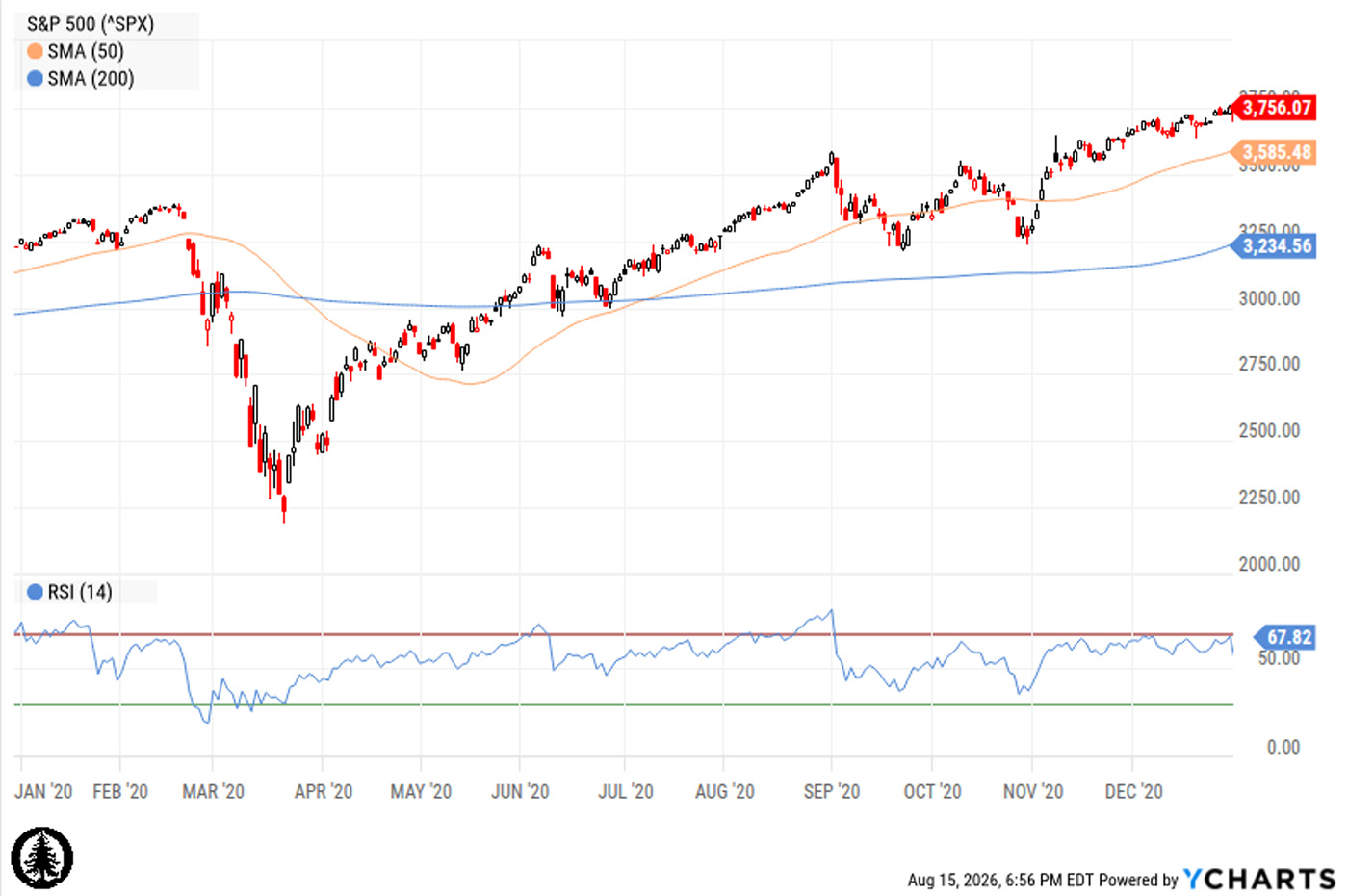
These events are rare by definition, yet they occur more frequently in the tails than traditional models assume. The real damage is rarely the temporary mark-to-market loss. It is the forced selling, margin calls, liquidity freezes, or pure panic that turns a recoverable drawdown into permanent capital destruction.
Black swans confound investors for three reasons:
- They feel impossible until the moment they arrive.
- Correlations among assets often spike toward 1.0 exactly when diversification is most needed.
- The human brain is wired for recent experience; after years of calm markets, most people simply stop preparing for extremes.
Extended bear markets turn even the most optimistic investors into weary pessimists through relentless declines and the false hopes of failed rallies. These charts show index-average returns. Holding higher-valuation or higher-risk securities during these periods dramatically magnifies the losses.
Traditional diversification can soften the blow, but it cannot eliminate it. When the next black swan or bear market arrives, the question is not whether your portfolio will fall — it will. The question is how far, how fast, and whether you will still be invested when the recovery begins.
Key points
- Black swans and deep bears appear more often in the tails than many models imply.
- The lasting harm usually comes from investor behavior during the event, not the event itself.
- Index charts understate the pain for concentrated or high-valuation holdings.
Next in the series: Valuation Risk.
Comments